
Emotional Freedom Techniques Have Transformed Trauma Therapy (and Not Just for Humans)
By Dr. Laura Donaldson, PhD.
(This is the first in a series of three upcoming articles on how evidence-based emotional Freedom Techniques have transformed approaches to addressing trauma in both humans and dogs. Next month, I will explore how clinical tapping facilitates healing from trauma through a process called “memory reconsolidation” and the third considers tapping for dogs via “surrogate tapping.”)
“The body keeps the score: If the memory of trauma is encoded in the viscera, in heartbreaking and gut-wrenching emotions, in autoimmune disorders and skeletal/muscular problems, and if mind/brain/visceral communication is the royal road to emotion regulation, this demands a radical shift in our therapeutic assumptions (van der Kolk, 2014).”
When it comes to trauma, the body keeps the score and “the body remembers (Rothschild, 2000).” Taking these two statements seriously changes everything about the way we (humans) recognize and address traumatic stress. As Dr. Arielle Schwartz (2021) has noted, the body carries difficult life experiences as deeply embodied patterns of tension and overwhelm. Despite this, current therapeutic modalities such as cognitive therapy continue to emphasize top-down talking and thinking about trauma as the major key to recovery. Top-down approaches certainly have a place in trauma treatment—but as both Rothschild and van der Kolk suggest, healing begins with creating body-based safety and stabilization rather than parsing traumatic memories: “The body is the key to the mind. You first have to calm the body’s response to trauma, shifting it from danger/alert to relaxed/controlled. Only then can you begin to recognize and process the mental and emotional aspects of the trauma (Somatic Experiencing International, 2022).” This Somatic Repatterning highlights that although the body does keep the score, it also offers critical resources for healing.
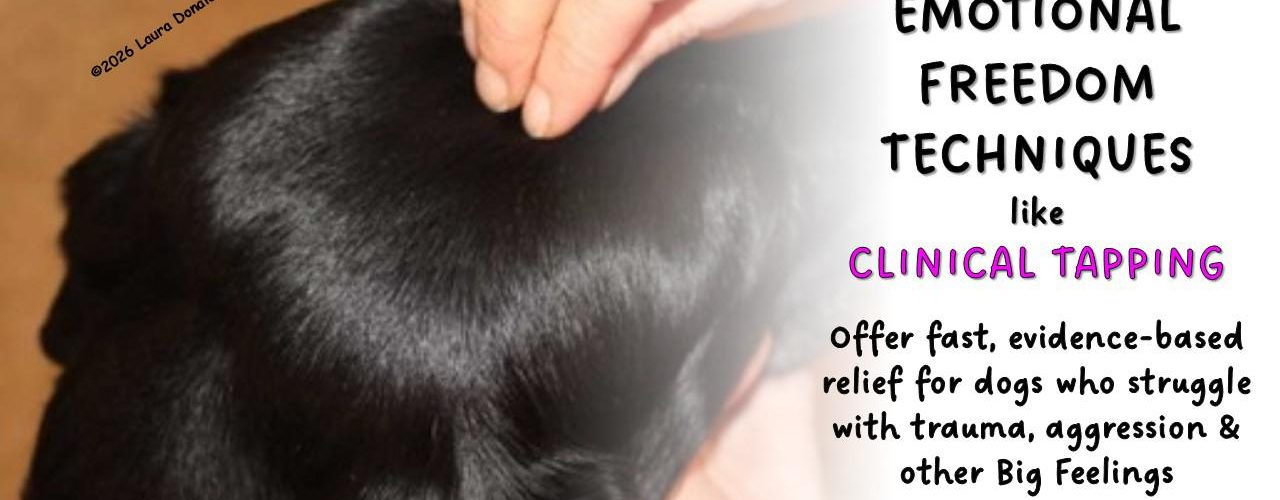
The therapeutic quest for how to facilitate somatic repatterning has generated a variety of approaches like Dr. Pat Ogden’s Sensorimotor Psychotherapy, Manuela Mischke-Reed’s Hakomi Method and Dr. Peter Levine’s Somatic Experiencing. The method I prefer is called Emotional Freedom Techniques or “Clinical Tapping.” Clinical, because it is science- and evidenced-based and recognized as a safe, effective therapy by a number of international organizations, including the United States Department of Veterans’ Affairs (VA); and Tapping because it uses the physical activity of tapping with two or three fingers on a select number of the body’s acupressure points. To date, more than two hundred research studies have documented clinical tapping’s effectiveness—and of these, more than fifty are American Psychological Association “gold standard” studies in their adoption of control groups and usage of rigorous scientific methodologies.
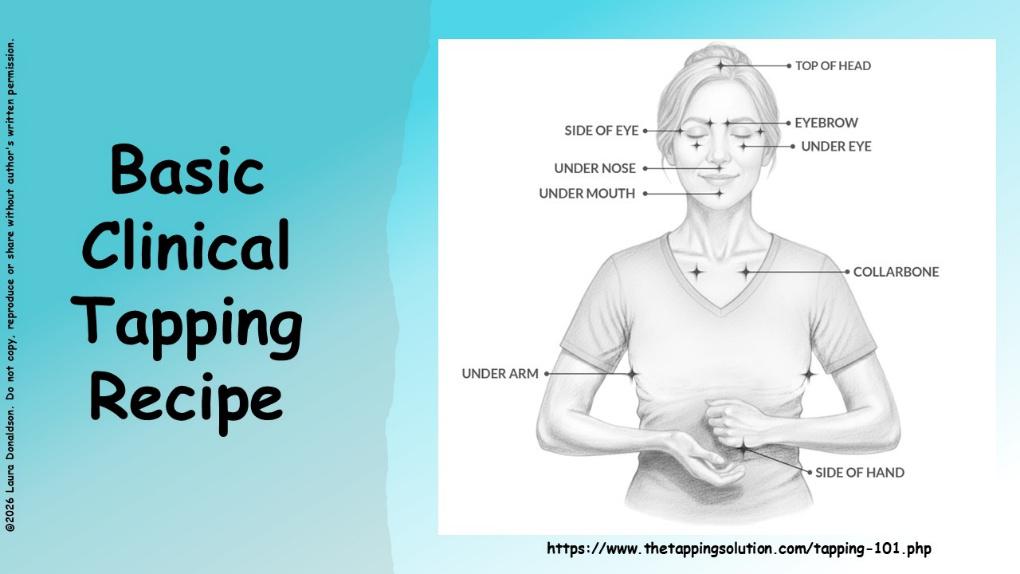
Clinical Tapping is best described as a brief stress reduction technique whose remarkable success rates for a number of issues (e.g., phobias, eating disorders and chronic pain) emanate from its ability to provide fast reduction of stress and negative emotional intensity as well as change how the brain processes neurobiological, emotional and cognitive information about traumatic memories (Church & Craig, 2013). The so-called “basic tapping recipe” uses nine ordered acupoints for a single tapping session (see the accompanying graphic).
Dogs possess tapping points virtually identical to those of humans. This is probably not surprising given that dogs and humans possess uncannily similar social and emotional brains. As veterinary behaviorist Dr. Carlo Siracusa (2018) notes: “A similar brain also means sharing similar behavior problems.” And, I would add, sharing similar Clinical Tapping points. However, as you will see in the upcoming article on surrogate tapping, it is often necessary to adapt this process for dogs based on safety and ethical concerns. How can a dog give their full consent to this procedure if they communicate in modes other than verbal linguistics? In addition, many dogs find the percussive touch of Clinical Tapping uncomfortable or even distressing. What strategies can we humans use to minimize this and how can we develop better ways to share this remarkably effective approach with our canine partners? Stay tuned because I think you will be blown away by what you will discover about Clinical Tapping’s transformative powers.
I want to end this essay with a lovely quote by Joan Ranquet, an eloquent advocate of tapping for animals:
In all my years as an animal communicator and energy healer, the fastest path to shifting behavior has been EFT. The self-examination required for this work makes us accountable for our behavior with our animals. Through the investigation process of figuring out what to say as you tap (creating a script) on behalf of your animal, a true discovery happens about the animal. Sometimes, that moment of recognizing them creates a softness and compassion that truly starts the healing.
I could not agree more … 🙂
Dr. Laura Donaldson, PhD, is a Professor Emeritus from Cornell University located in Ithaca, New York, northeastern United States. She is an award-winning writer on dog behavior who has worked as a canine behavior specialist for 20 years. Laura is a Certified Dog Behavior Consultant (CDBC/IAABC) and a Karen Pryor Certified Training Partner (KPA CTP). She is also a Certified Trauma Professional. She created the very popular program, Slow Thinking is Lifesaving for Dogs® and given a number of online webinars as well as conference presentations. Laura currently lives in upstate New York (northeastern US) with her husband, working Border Collies, three cats, an African Gray parrot named Obi and a small flock of Navajo Churro sheep. Website: https://fourpawsfourdirections.com/
References
Church, D. & Craig, G. (2013). The EFT manual (3rd ed.). Energy Psychology Press.
Ranquet, J. (2023). Emotional freedom technique for animals and their humans: creating a harmonious relationship through tapping. Findhorn Press.
Rothschild, B. (2021). Revolutionizing trauma treatment: stabilization, safety, & nervous system balance. W.W. Norton & Company.
Schwartz, A. (2021). The complex PTSD treatment manual: an integrative, mind-body approach to trauma recovery. PESI Publishing.
Schwartz, A. (2020). The post-traumatic growth guidebook: practical mind-body tools to heal trauma, foster resilience and awaken your potential. PESI, Incorporated.
Siracusa, C. (2018). Dogs and humans have similar social and emotional brains. Psychology Today. https://www.psychologytoday.com/us/blog/decoding-your-pet/201806/dogs-and-humans-have-similar-social-and-emotional-brains
Somatic Experiencing International (2022). The body is the key to the mind. https://www.facebook.com/somaticexperiencingint/posts/the-body-is-the-key-to-the-mind-you-first-have-to-calm-the-bodys-response-to-tra/393776759579392/


