
From Fear to Freedom: How Maya’s Journey Shows Us That Joy Rewires the Brain
By Jeff Feinman, VMD, CVH.
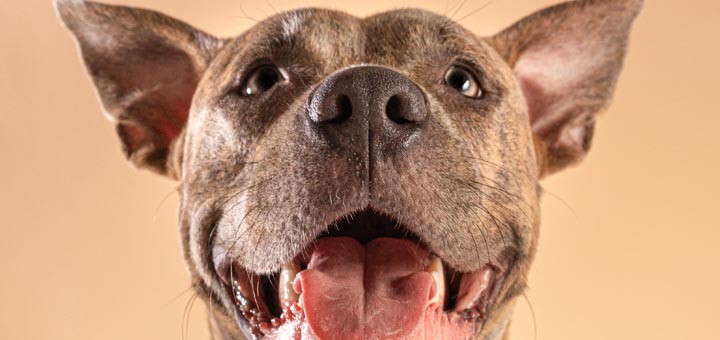
From the moment Maya that we picked up Maya, we knew she was special. She trembled all the way to Sarah’s house where we went straight from Adopt A Dog in Armonk.
Not only was she terrified of getting in the car, she also wouldn’t walk in the house, or over any threshold between rooms. She froze at the sound of the fridge door. She had never lived inside a home. In the not so distant past, her ancestors had survived for generations as outdoor dogs—living independently, avoiding humans, and relying on their own instincts to stay safe.
But even in her earliest days with us, there was a flicker. A flash in her eyes when she watched birds fly, or when the breeze brought a new scent to her nose. We called it her Zone of Joy—those fleeting moments where she looked like she belonged to something more than her past. Not just surviving, but living. Healing.
As we shared in Maya’s original Zone of Joy post, those moments weren’t random. They were medicine. Maya wasn’t just feeling better—she was rewiring her brain, step by step, sniff by sniff, joy by joy.
The Brain Is Constantly Changing and Rewiring
When we look at behavioral challenges like fear, aggression, separation anxiety, or shutdown behavior, we’re not just looking at “bad habits.” We’re often witnessing a nervous system stuck in safety and survival mode.
Research in both animals and humans shows us that the brain is capable of profound change in the positive direction. Especially when experiences are repeated with safety, predictability, and emotional significance. This is known as neuroplasticity—the ability of the brain to reshape itself over time based on what it experiences most often.
For dogs like Maya, who may have inherited fearfulness or had limited positive experiences early in life, the brain has wired itself around avoidance, hypervigilance, and protection.
But here’s the magic: just like fear was learned, joy and trust can be learned too—especially when offered frequently and gently, without pressure.
Repetition = Rewiring
The key isn’t one big “aha” moment—it’s thousands of little yeses. The more often your dog feels safe, curious, and happy, the more her brain learns to favor those circuits.
When a dog is in a state of curiosity, play, connection, or gentle exploration, her fear circuits (like the amygdala) quiet down. Meanwhile, reward and regulation circuits light up—strengthening the brain’s capacity for calm behavior, better decision-making, and emotional flexibility.
Every time you help your dog enter this “Zone of Joy,” you’re doing more than creating a nice moment—you’re literally reshaping her emotional future.
From Behavior “Problems” to Behavior Breakthroughs
We often think of behavior challenges as things to be corrected. But more often, they are symptoms of inner imbalance—an imbalanced nervous system stuck in high alert, shut down, or somewhere in between.
Let’s take a look at a few examples where joyful micro-moments can make the difference:
-Separation Anxiety
When a dog experiences predictable, calm micro-engagements throughout the day, her nervous system learns that connection is consistent—and disconnection doesn’t always mean danger. Over time, she can be alone without panic.
-Leash Reactivity or Aggression
When your dog practices joyful engagement in safe places (a sniffy walk, a game at home), her stress hormones drop. That gives her more room to choose calm in situations where she used to lash out.
-Fear of Touch or Novelty
Gentle, joyful exposures to new textures, people, or environments—on her terms—can rebuild her sense of agency and control.
-Generalized Anxiety or Shutdown
Little pockets of joy can spark vitality and break through the fog of fear. The goal isn’t to “fix” everything at once, but to create a rhythm of feeling good so that confidence can grow.
The Micro-Engagement Plan: 2 Weeks of Joyful Rewiring
You don’t need a lot of time. You just need consistency and intention.
This 2-week plan is designed to support your dog’s nervous system in building new habits of curiosity, regulation, and trust. You’ll be creating 6–8 joyful engagement opportunities per day—each just 2–10 minutes long.
Think of these as “neural vitamins.” Every joyful moment is a dose of safety.
How It Works:
-Duration: 2 weeks
-Frequency: Every 2 hours (or as close as possible)
-Each session: 2–10 minutes
-Activities: Choose low-stress, dog-directed moments that bring pleasure, engagement, or calm
Sample Daily Rhythm
Guidelines for Success
- Make it optional: Let your dog choose. If she walks away, it still counts—she made a decision, and that’s progress.
- Stay curious: What does your dog find joyful? Digging? Watching birds? A certain friend?
- Use your calm: Your relaxed presence co-regulates your dog’s nervous system. You’re her anchor.
- Track the wins: Consider jotting down each micro-engagement and what happened (see printable tracker below).
What Happened to Maya?
After a few months of frequent joyful moments—paired with trust, gentle boundaries, and a lot of patience—Maya began to change.
She started wagging her tail when she saw her leash.
She nudged toys and rolled in the grass.
She stopped hiding in the corner by the couch at bedtime.
And one day, she just jumped in the car and offered a soft “woo” of excitement when she knew she was going to play.
Her transformation wasn’t the result of harsh training or behavior protocols—it came from letting her be a dog, and saying yes to joy as often as possible.
Let’s Reimagine Behavior Healing
What if every “bad behavior” is a message from a brain asking for help?
What if healing could begin, not with a correction, but with a moment of shared joy?
What if your dog’s anxiety, aggression, or fear isn’t something to control—but something to lovingly rewire?
You can be the one who helps make that shift—not through force, but through consistency, compassion, and a rhythm of joy.
Just like Maya, your dog can find her way back to safety, confidence, and full-body tail-wagging life.
You don’t have to do it perfectly. You just have to do it often.
That’s the path back to wholeness—for your dog, and maybe for you too.
Jeff Feinman, VMD, CVH, bridges science and spirit in pet care, blending molecular biology with holistic veterinary medicine. Founder of Holistic Actions!, he has guided thousands worldwide. His forthcoming book Path to Pet Wellness empowers pet parents everywhere. Read the first 22 pages when you jump on the waitlist: https://www.holisticactions.com/book-waitlist/


