
Why Your Dog Follows You Everywhere (Even to the Bathroom): It’s Totally Normal
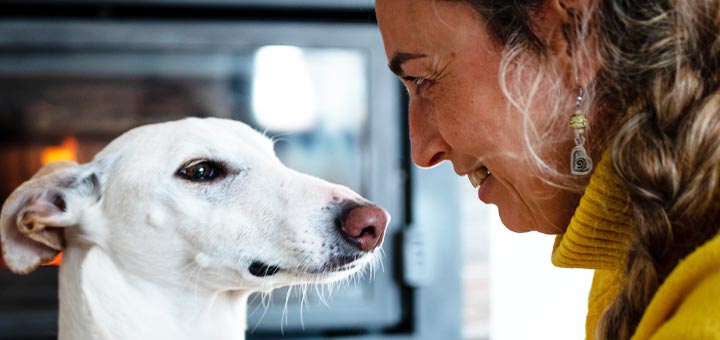
By Ness Jones.
If you’ve ever felt like you have a furry little shadow following your every move, you’re not alone. Many dog guardians find themselves under constant surveillance—whether they’re cooking, working, or just trying to sneak in a quick bathroom break. But guess what? This behavior isn’t clingy or weird. It’s deeply normal, incredibly natural, and rooted in how dogs are wired as social animals.
Pack Animals at Heart
Dogs evolved from wolves, who are pack animals through and through. That means they rely on their group for safety, survival, and companionship. In the wild, being alone is risky business. So sticking close to the group—or in your dog’s case, their human—feels like the safest and most natural thing in the world.
In your home, you’re the pack. You provide food, shelter, guidance, affection, and structure. So when your dog follows you from room to room, they’re simply staying close to the most important member of their social group: you.
Social Sleepers, Too
It’s not just about following you during the day. Dogs are what scientists call “social sleepers.” That means they naturally want to sleep near others, especially those they trust. You may have noticed your dog prefers to nap in the same room as you—or insists on sleeping in your bed or just outside your door.
This isn’t a sign of separation anxiety or neediness (though it can become that if other stress signs are present). It’s actually how dogs feel secure. In the wild, sleeping alone would be dangerous. By curling up near you, your dog is practicing the same instincts their ancestors used to stay safe and connected. It’s their way of saying, “This is my pack, and I feel safest when we’re together.”
Not Codependent—Just Connected
Some people worry that letting a dog follow them around or sleep close will create dependence. But in most cases, it’s simply part of a healthy bond. Dogs thrive on connection, routine, and social contact. Just like us, they’re hardwired to find comfort in togetherness.
In fact, modern research in canine behavior supports what dog owners have long suspected: Dogs form secure attachments with their humans that look a lot like the parent-child bond in humans. So when your dog watches you cook dinner or waits outside the shower door, they’re not being weird. They’re just being… well, dogs.
When Following Becomes a Problem
Of course, there’s a line between normal social behavior and stress-based behavior. There is a difference between a dog following you around to make sure you aren’t doing something interesting to them (for example, heading to the kitchen for a tasty treat or taking them for a walk) and a dog which shows signs of panic when they think you are actually leaving—even briefly, as that may point to separation anxiety. That’s a different issue, and one that may need some gentle behavioral support from someone skilled in this field.
As a separation anxiety specialist, I always say it’s what happens when you leave the home – I don’t really worry about dogs following around the house (although you can certainly create independence in the home – just don’t force the issue. We don’t want a dog that is freaking out because you’ve locked it in another room. Do it in a kind, empathetic way where they feel safe and confident about their alone time, and you’re on a winner!). In other words, don’t worry too much about the Velcro dog. Following is seriously normal doggy behavior!
In most cases, that adorable habit of following you from room to room is just your dog expressing how safe they feel around you. They don’t need to be doing anything. They just want to be near you. In addition, it’s a behavior you might see more in younger dogs that need to be closer to their secure attachment figure and you might also find that as that dog matures and grows in confidence that they are more comfortable taking a nap in another area of the house away from you.
Embrace the Shadow
Instead of worrying about your dog’s constant companionship, consider it a compliment. You’ve built a relationship strong enough that your dog wants to be close to you—whether you’re watching Netflix, folding laundry, or brushing your teeth.
So the next time you turn around and find those big eyes watching you, smile. Your dog is doing what social animals do best: sticking with their people. Because to them, together is the safest—and happiest—place to be.
Ness Jones is a separation anxiety specialist. Check out her do-it-yourself program at https://www.decodingyourcanine.com/membership


I agree totally with this concept. My dog does follow me and likes to be with me most of the time, but she does go off to sleep on her own. I like it. She is my companion, and I talk to her all the time; I just wish she could talk.😋 by the way I love that dog which is pictured on your site. I would take him/her in a minute, soooo cute.
Hi Ness,
I hope you are doing well. I always appreciate your kind information and advice. This was a wonderful article and as a Professional Dog Trainer, is something I often discuss and advise my clients. Like everything else about our furry friends it is very important to understand the different signs of anxiety and also the blessings of our dogs attachment and love. Please continue to send your teachings and advice. It is always very appreciated.
God Bless,
Steve
test