
Growing Pains: Understanding Your Puppy’s Emotional Journey
By Rebecca Hanlon.
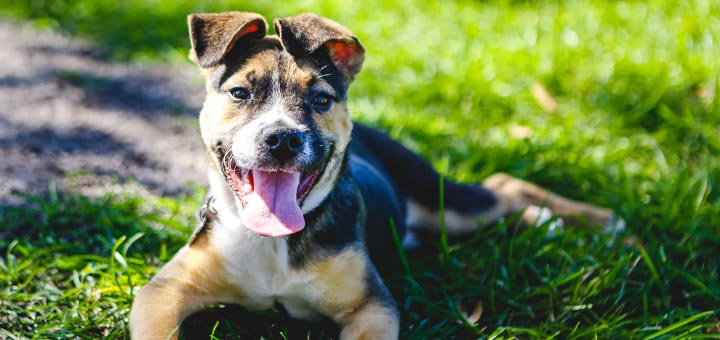
Dogs’ developmental stages are not too dissimilar to humans. We have our baby, toddler, teenage, and adult stages, spanning at least 18 years. When people get puppies, they often forget that puppyhood into adolescence and adulthood can last at least two years.
People are often shocked at how hard these two years can be. Expectations are often too high, and there’s a common lack of understanding of how challenging these periods can be for our dogs. This can cause frustration, upset, and annoyance at our dogs’ behaviour, leading to thousands of dogs being given up to rescues during this time.
We often have an expectation of puppies. The biting, chewing, weeing in the house are all behaviours we prepare for. But what happens as they start to mature and some of these behaviours get worse. Plus, we begin to get new, more difficult ones?
Adolescence usually starts at about 5-6 months but varies between individuals. We expect teenagers to start rebelling; we know their hormones are all over the place, and most of us can agree that it’s one of the hardest times of our lives. Trying to work out who we are and what we can and can’t do—it’s no different for our dogs. They can become more exuberant and boisterous, find listening difficult, start not coming back when called, and appear to forget everything you have taught them. They can go through fearful periods where all the socialization you have done appears to go out the window. They can become inappropriate with other dogs, even if you have done all the right things.
This time can be harder than the puppy stage. Just when we think we have cracked all the puppy problems, we get a whole host of new ones. This can be frustrating and difficult, not too dissimilar to a human teenager. But this isn’t a time to get angry. This is a time to keep teaching. Give them clear routines, appropriate exercise, and lots of enrichment. Keeping this as normal and natural as you can. Allowing dogs autonomy in safe environments.
The endocrine system regulates a dog’s overall health through hormone production and release. During this time, this system needs our full support. Proper nutrition supports this system by providing essential nutrients that maintain hormonal balance and gland function. Omega-3 and omega-6 fatty acids influence hormone production and anti-inflammatory pathways, benefiting overall endocrine health. Vitamins and minerals contribute to the proper functioning of endocrine glands, ensuring that a dog’s body operates smoothly and efficiently. Balanced, fresh food diet can be a great support for our dogs through this time.
Raising a dog is not unlike raising a child. We need to have realistic expectations of their behaviour. Understand that they may be driving us mad, but it’s a difficult time for them. We need to be their teachers, advocates, and guides—basically a parent. If more people understood that raising a dog is hard work and requires dedication, time, love, and patience, then we would see fewer dogs losing their homes due to just behaving like dogs.
Learn more about Rebecca here: https://www.speakdogeducation.com/


